
MilanSince foundation
Members across 0 partner universities
Acceptance rate roughly one in ten applicants earns a place in our labs
External collaborations with leading AI researchers, labs, and companies
Events a year, from research talks to international AI festivals
Projects run inside our labs every year, from idea to result
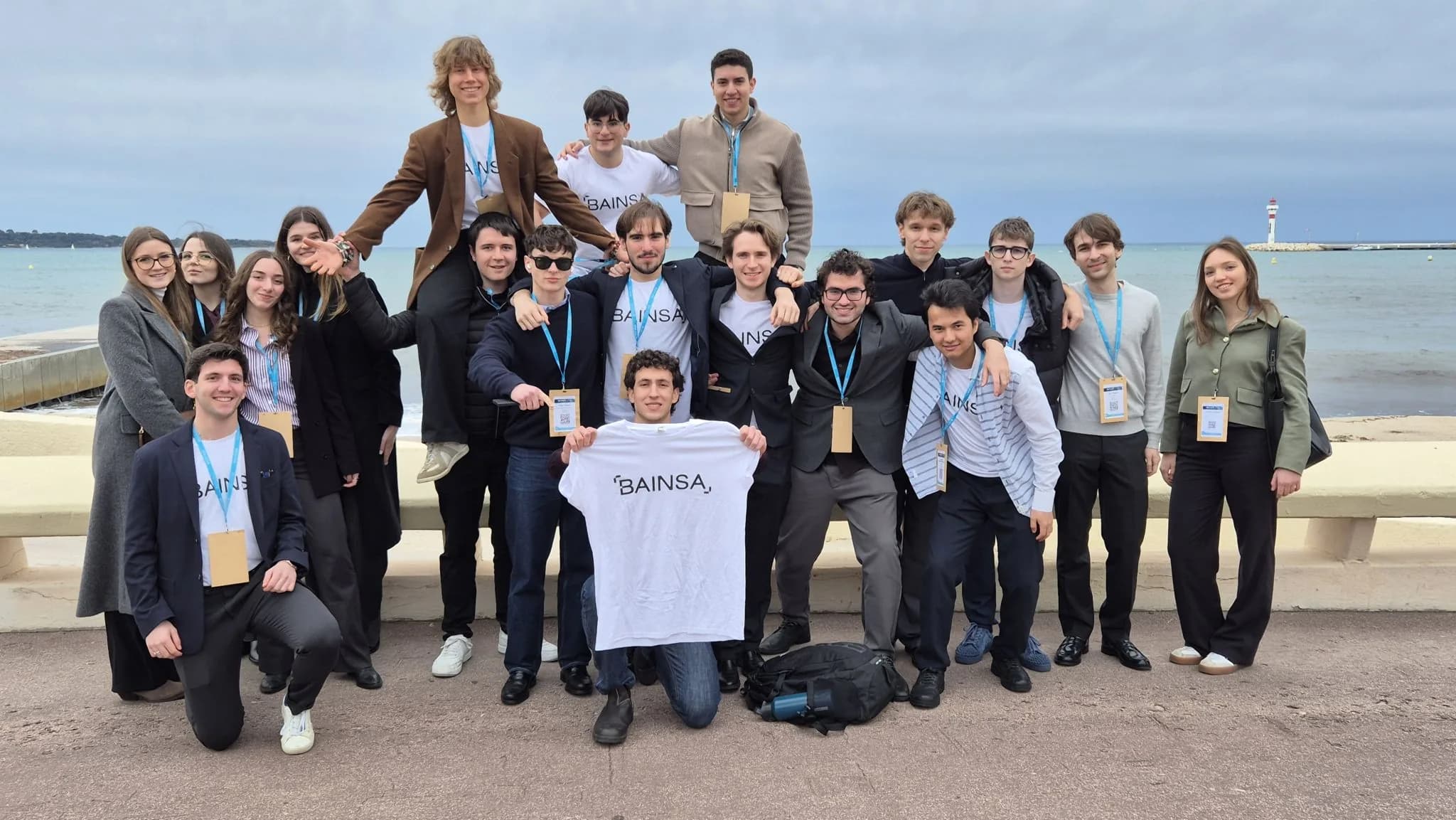
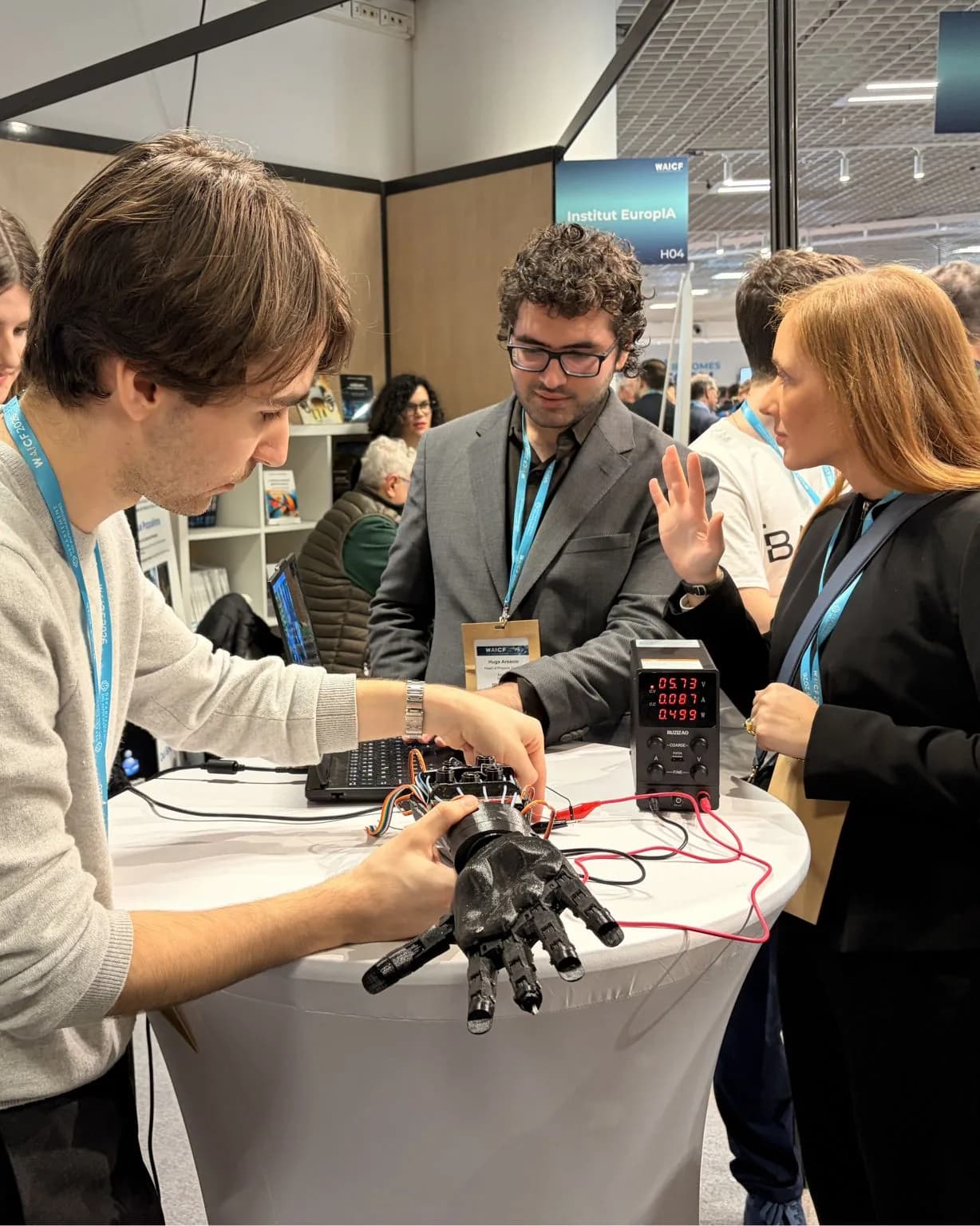
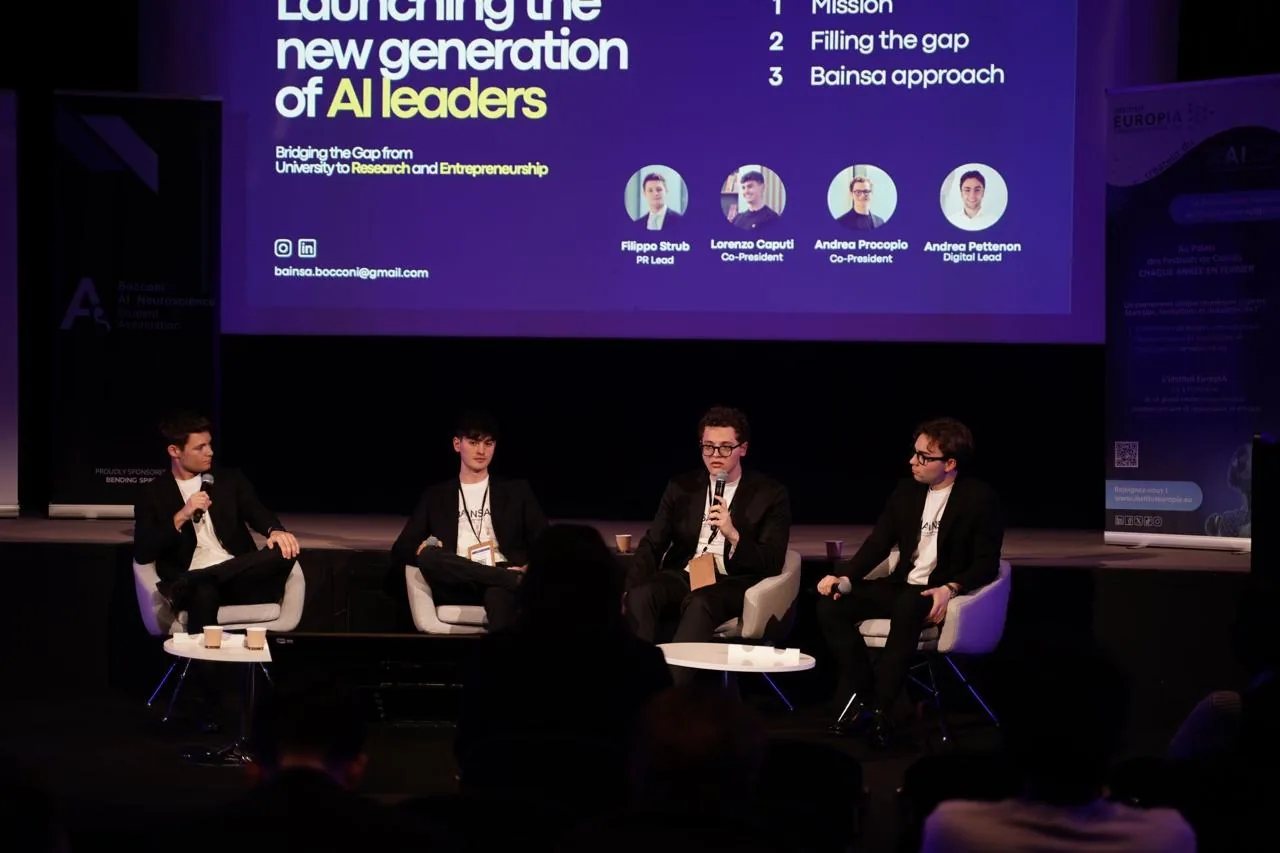
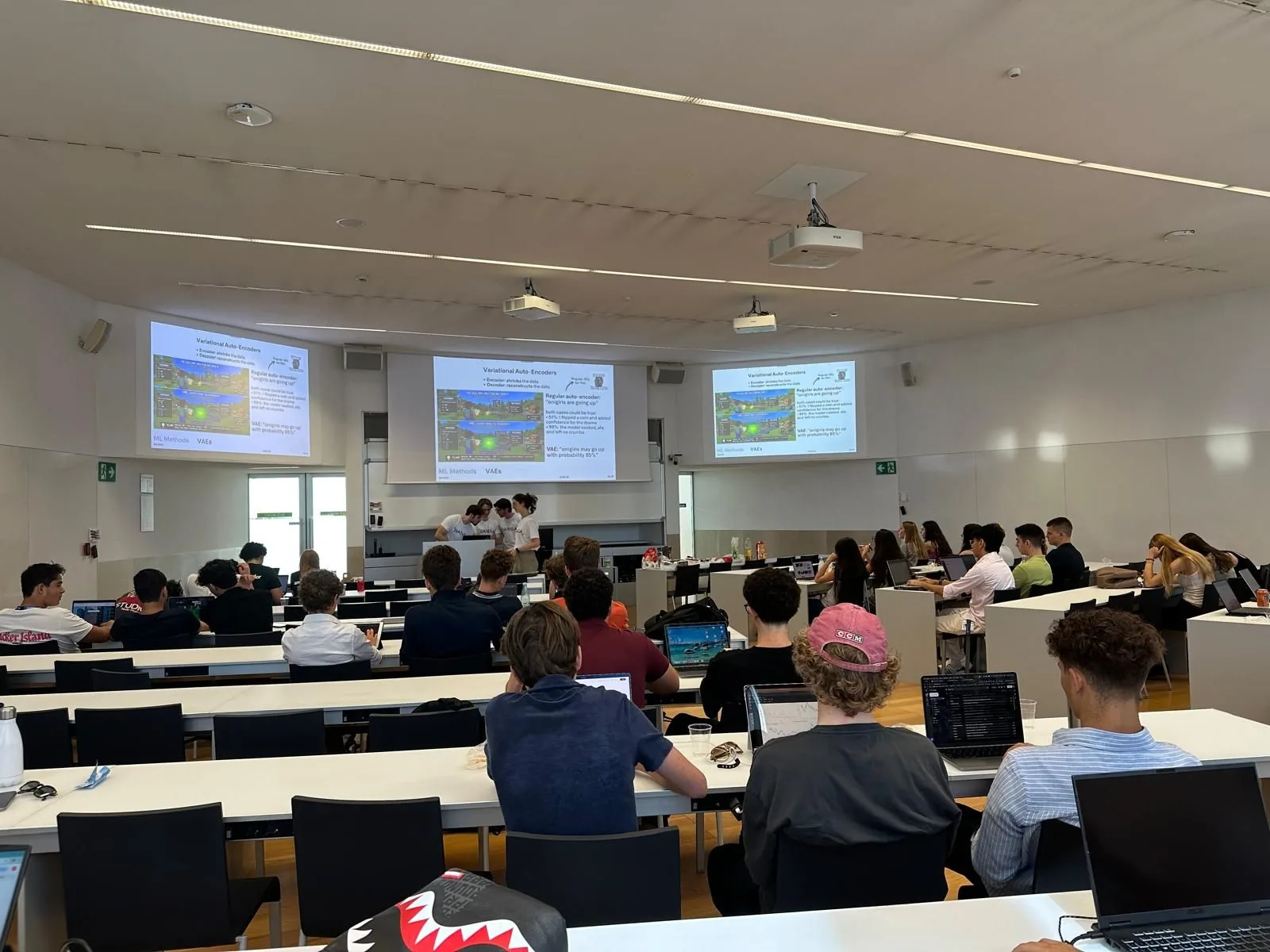
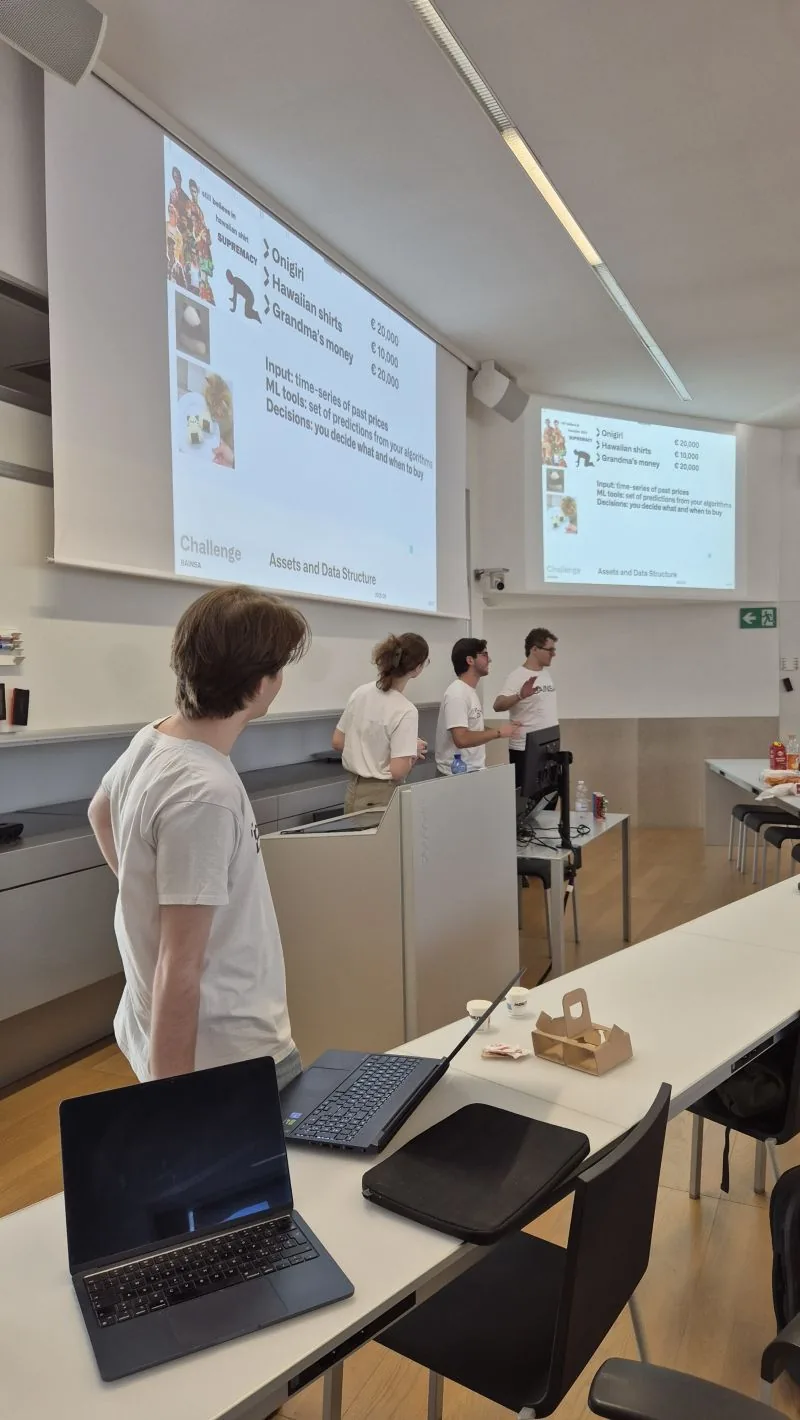
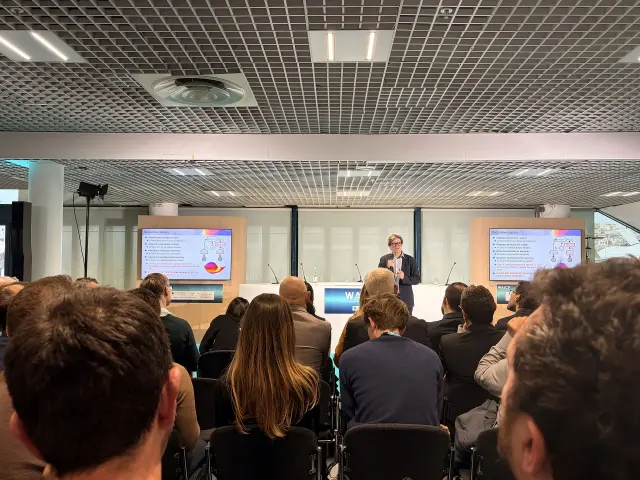
BAINSA is Italy’s largest student-led AI research lab. We publish research papers at the top AI conferences with some of the world’s leading AI researchers, and we collaborate with the universities setting the field’s agenda. Access to research should not start after graduation: inside our labs, the strongest students at our partner universities do real research from their undergraduate years, on frontier AI and on what neuroscience still teaches us about learning.






On one side, the discipline of publishable research. On the other, a community that reviews, argues, and iterates. Neither is enough on its own, and every paper we are proudest of came out of where they meet.
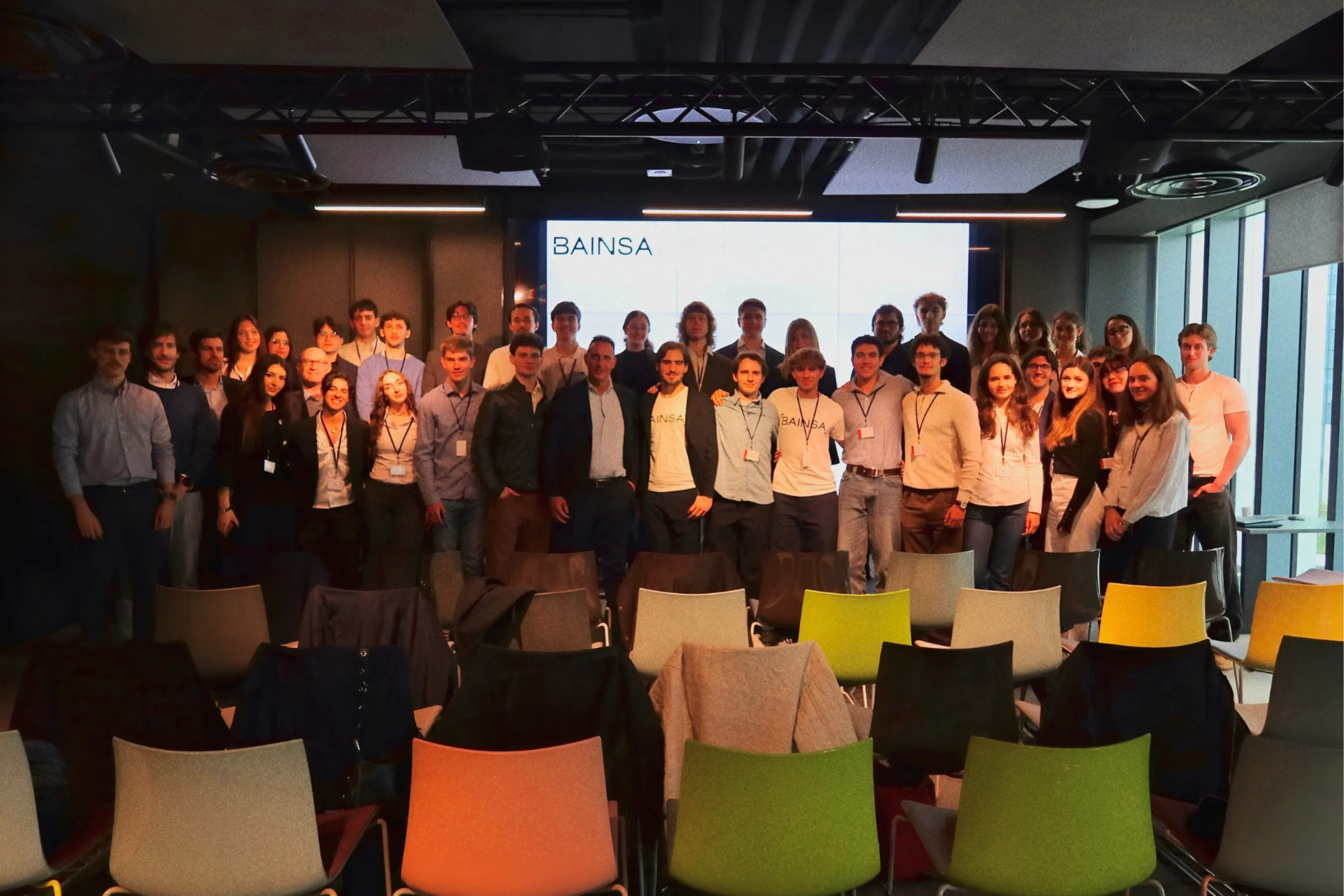
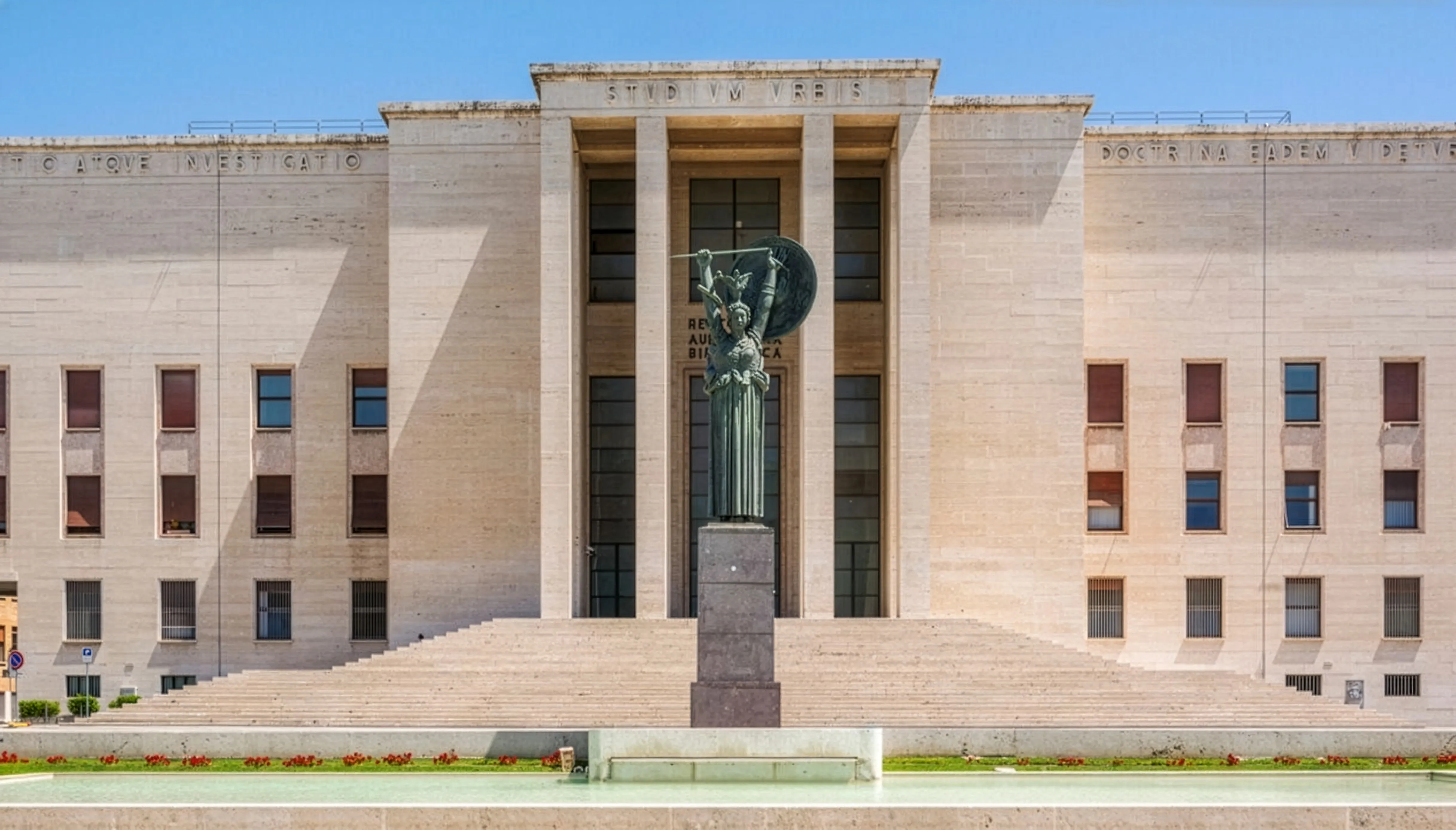
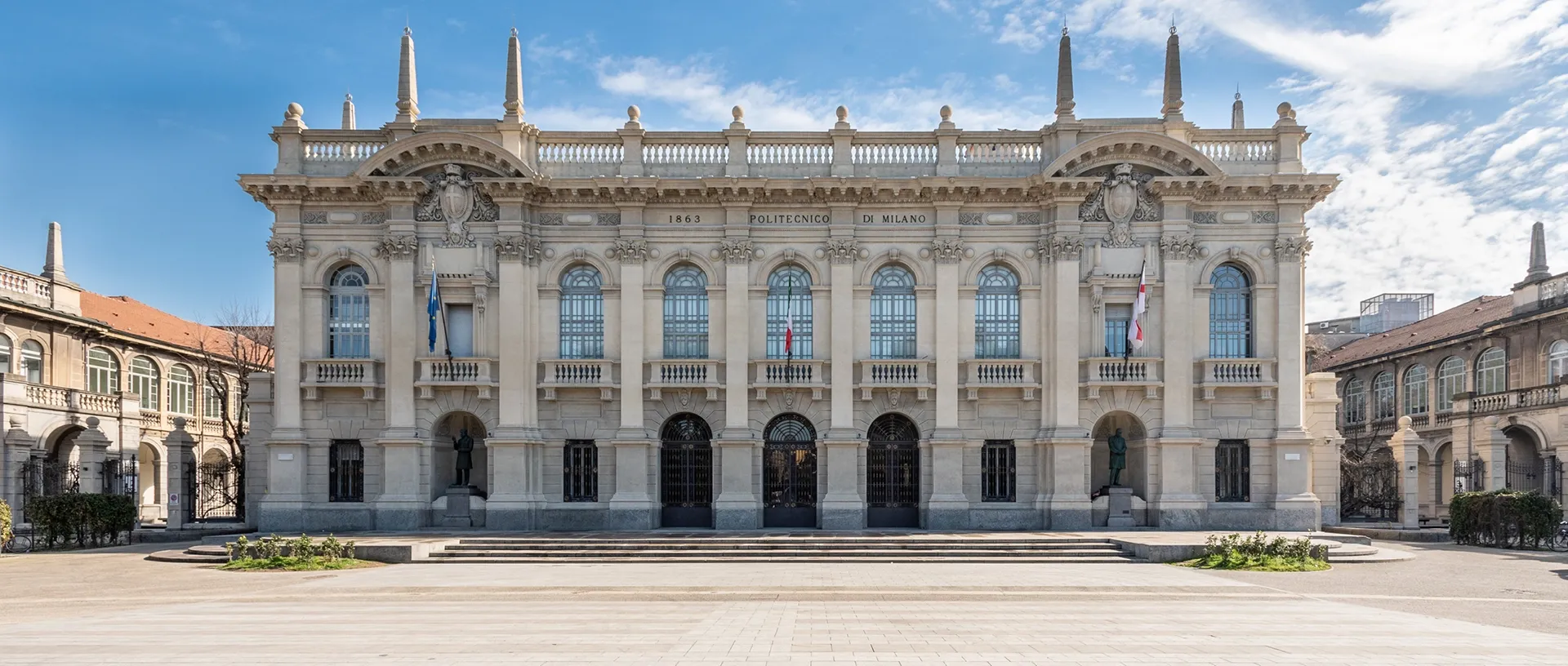
BAINSA started as the Lab at Bocconi University and now runs three labs in Milan and Rome. Each lab recruits its own researchers and runs its own projects, and every paper they produce is published as BAINSA research.
The same question — how machines learn, and what brains still teach us — turned into papers you can read, systems you can run, and events you can attend.

Your support pays for the compute, the conference travel, and the space where our student researchers do the work.